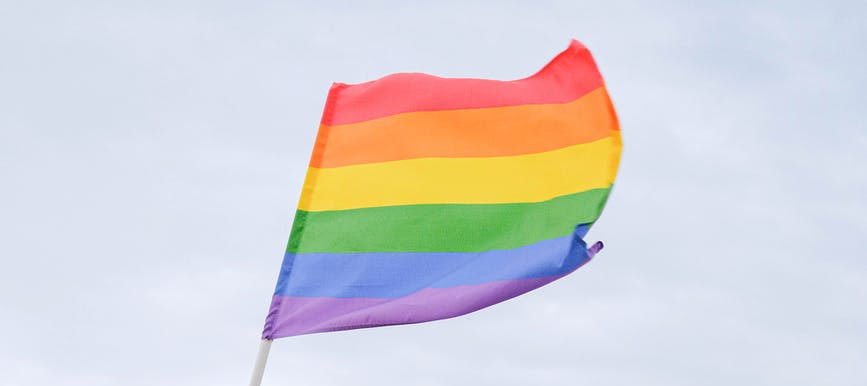
I am an LGBT+, black person which is, honestly, quite difficult. Aside from the fact my family’s history has been dowsed in oppression, I also have to deal with the LGBT+phobia that comes with my heritage. Zambia, Jamaica, and Britain form the cornerstones of my identity in relation to where I’m from and where I fit, but in 2 of those countries it is basically illegal to me.
In Zambia, ‘homosexual sex’ is a criminal offence punishable by imprisonment, 15 years to life for men and sometimes forced anal examination are used as proof. Advocating for LGBT+ rights could also land you in prison. In Jamaica, sex between men is against the law, although rarely enforced, but violence against LGBT+ communities is still common for example awful things like corrective rape are used to ‘cure’ lesbian women. In both these countries that I love, being LGBT+ comes with inherent discrimination and violence but one of the main things that unifies them is that they were both under British rule.
The ‘Buggery Act 1533’ made the death penalty a punishment for homosexuality in England. Over the years, sections of this act were altered but only in 1861 was the homosexual sex death penalty changed to between 10 years and life imprisonment by ‘The Offences Against the Person Act 1861’ and it took 107 years until decriminalisation of homosexuality started in the UK. Despite this, many countries who have gained their independence from the British Empire still employ the imported colonial laws on homosexuality. In fact, in 2019 over half the countries that still criminalise homosexuality have been under British rule and 66% of commonwealth countries still criminalise it.
Recently, I found out that in 2009 Ugandan president Yoweri Museveni claimed, ‘European homosexuals are recruiting in Africa’, however history suggests a completely different story. Before colonial rule, being what we call LGBT+ wasn’t unusual or taboo. In Uganda, the ‘mudoko dako’ were ‘effeminate males’ who were treated as women and the 19th century king Mwanga II of Buganda, was reported to engage in sexual activity with men and women. In many pre-colonial regions, non-cishet identities were widely accepted and were sometimes revered. The Khoikhoi people had the term ‘koetsire’ for men who have sex with men and many traditional African deities, as well as deities from other religions, are described as not fitting our conventional ideas of masculinity and femininity.
For many countries, legal homophobia is a colonial import and remains an example why colonialism was, and is, so harmful. David Kato was a Ugandan LGBT+ rights activist and teacher, and unfortunately this is past tense as he was murder 9 years ago. The apparent motive for his murder was robbery, however this occurred less that 6 months after a newspaper published his name, photo and address as one of the 100 people who they claimed to be gay or lesbian and this was all under the headline ‘hang them’. Kato sued the newspaper, won the case 3 weeks before his death, and received $600, however even after his cold-blooded murder, the newspaper’s editor reported having no regrets about the story.
Black LGBT+ people, and LGBT+ people of colour in general, are more likely to experience things like depression and I’m really not surprised. As well as fighting for racial equality, we have to try to dismantle the discriminatory foundations that colonialism created. Over the past few years, it’s dawned on me that if I’m in a non-heterosexual relationship, my partner and I may not ever be able to safely step foot in the places that have helped make me “me” and one of the things that is so upsetting about this, is that the other place that I belong is a cause of this. In this past month, throughout my lifetime and the lifetimes before mine, I have seen my identities being the sole cause of brutal deaths. I’ve seen people justifying slavery, and colonialism, and racism, and LGBT+phobia, and so much more. Whether you know it or not, justifying these views is justifying death, be it murder or suicide. These justifications allow you to see me as less than human and encourage you to think that you are better than me and that my life doesn’t matter. The worst thing is, sometimes I believe you.
More reading:
https://edition.cnn.com/2018/09/11/asia/british-empire-lgbt-rights-section-377-intl/index.html
https://www.theguardian.com/world/2014/apr/30/africa-homophobia-legacy-colonialism
https://www.stonewall.org.uk/about-us/news/african-sexuality-and-legacy-imported-homophobia
https://www.theguardian.com/world/2009/nov/29/uganda-death-sentence-gay-sex
 Black Mental Me
Leave a comment